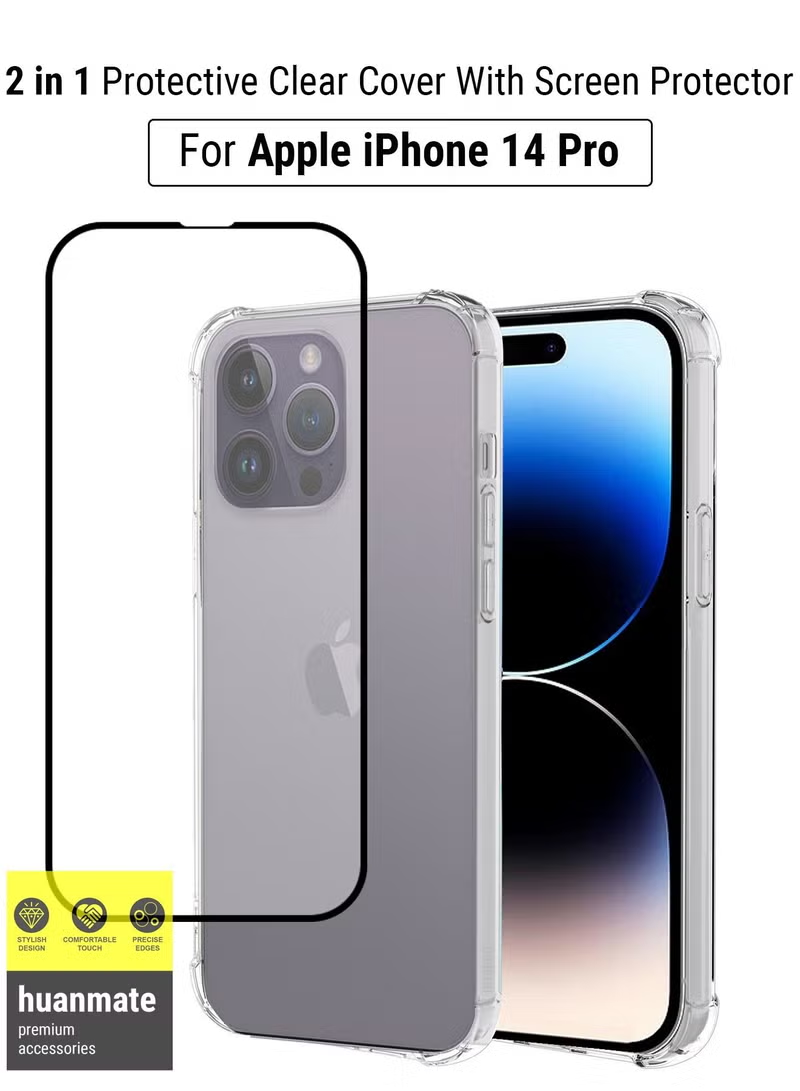
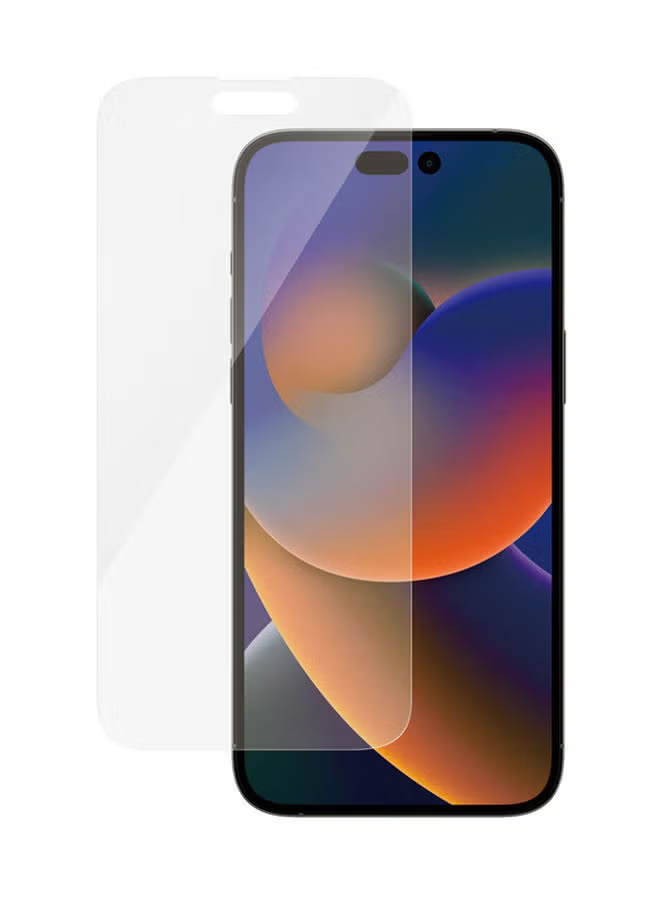
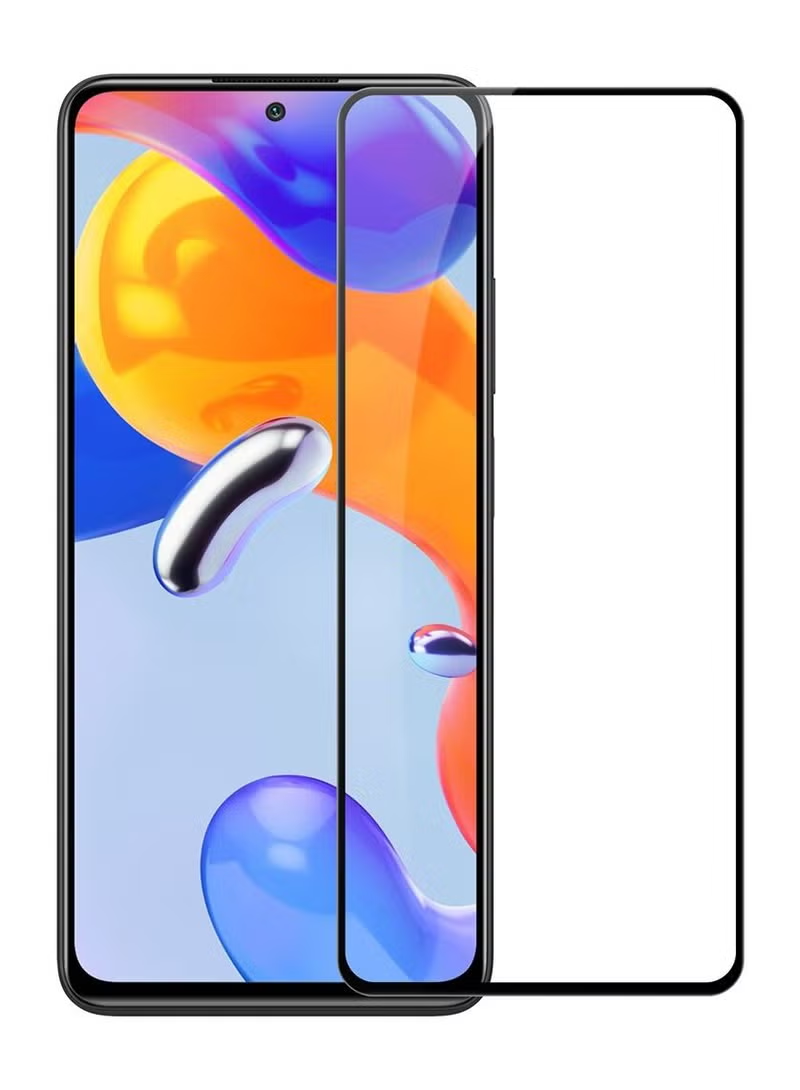
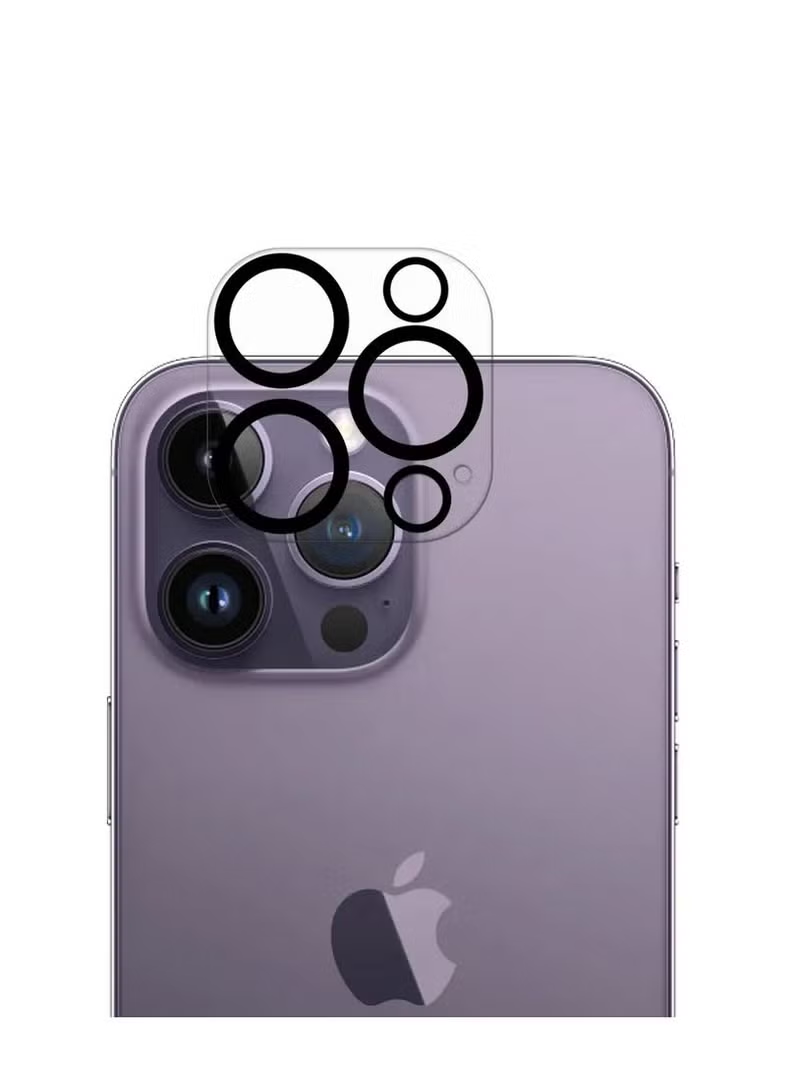
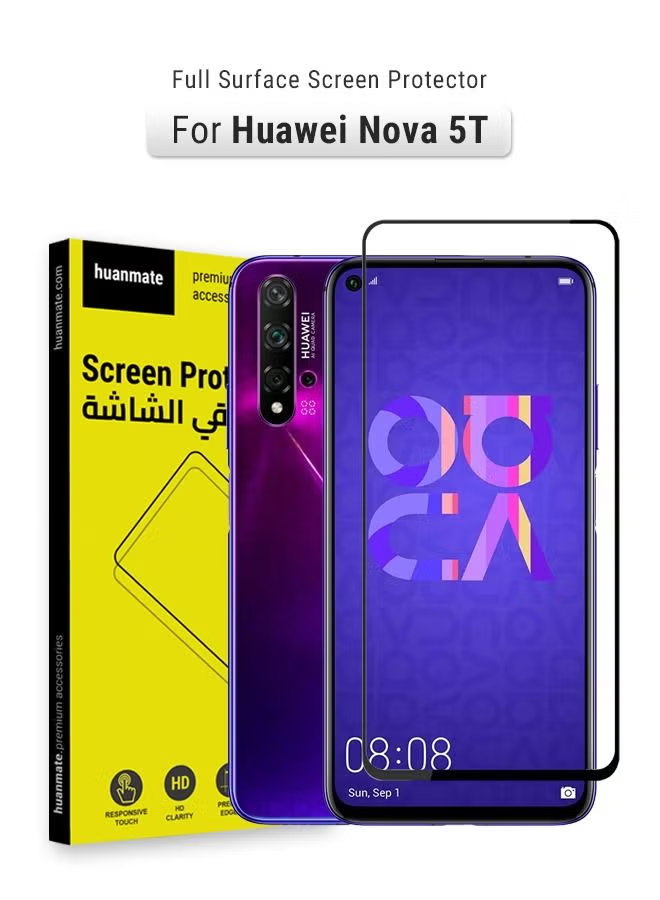
لاصقة حماية للشاشة من الزجاج المقوى 2.5D جارديان لحماية الخصوصية لهاتف أبل آيفون 13 برو ماكس أسود شفاف
توافر: {{ product.quantity }} جرد
SKU: {{ product.sku }}
{{ product.price_format }}
{{ product.origin_price_format }}
{{ variable.name }}
Using AGC glass material imported from Japan with great defensive
Brand new privacy coating, protect your privacy
Cover with anti-glare coating can effectively prevent the dazzle light occurred. Special tempered glass with 9H hardness applied, it is also anti-explosion and anti-scratch
Using oleophobic coating on the surface prevent the fingerprint and grease
A 0.33mm thinness makes an original hand feeling. Using CNC cutting technique, 2.5D edge grinding process, and give you a original touching feeling on the screen
The first screen protector was designed and patented by Herbert Schlegel in 1968 for use on television screens. Screen protectors first entered the mobile-device market after the rise of personal digital assistants (PDAs). Since PDAs were often operated via a stylus, the tip of the stylus could scratch the sensitive LCD screen surface. Therefore, screen protectors provided sacrificial protection from this damage. Since then, the ubiquity of mobile-devices have seen the screen protector become more widely used. Screen protectors are made of either plastics, such as polyethylene terephthalate (PET) or thermoplastic polyurethane (TPU), or of laminated tempered glass, similar to the device’s original screen they are meant to protect. Plastic screen protectors cost less than glass and are thinner (around 0.1 mm (0.004 in) thick, compared to 0.3 to 0.5 mm (0.012 to 0.020 in) for glass and more flexible. At the same price, glass will resist scratches better than plastic, and feel more like the device's screen, though higher priced plastic protectors may be better than the cheapest tempered glass models, since glass will shatter or crack with sufficient impact force.
Brand new privacy coating, protect your privacy
Cover with anti-glare coating can effectively prevent the dazzle light occurred. Special tempered glass with 9H hardness applied, it is also anti-explosion and anti-scratch
Using oleophobic coating on the surface prevent the fingerprint and grease
A 0.33mm thinness makes an original hand feeling. Using CNC cutting technique, 2.5D edge grinding process, and give you a original touching feeling on the screen
The first screen protector was designed and patented by Herbert Schlegel in 1968 for use on television screens. Screen protectors first entered the mobile-device market after the rise of personal digital assistants (PDAs). Since PDAs were often operated via a stylus, the tip of the stylus could scratch the sensitive LCD screen surface. Therefore, screen protectors provided sacrificial protection from this damage. Since then, the ubiquity of mobile-devices have seen the screen protector become more widely used. Screen protectors are made of either plastics, such as polyethylene terephthalate (PET) or thermoplastic polyurethane (TPU), or of laminated tempered glass, similar to the device’s original screen they are meant to protect. Plastic screen protectors cost less than glass and are thinner (around 0.1 mm (0.004 in) thick, compared to 0.3 to 0.5 mm (0.012 to 0.020 in) for glass and more flexible. At the same price, glass will resist scratches better than plastic, and feel more like the device's screen, though higher priced plastic protectors may be better than the cheapest tempered glass models, since glass will shatter or crack with sufficient impact force.
المواصفات
| رقم الموديل | 6902048222670 |
|---|---|
| المادة | زجاج مقوى |
| اسم اللون | شفاف-أسود |
| اسم الموديل | Screen-2 |
| محتويات العلبة | Screen Protector |
| عدد القطع | 1 |
| مفتاح السمة | Materail Quality, Form Factor, Water Proof, Use, edge |
| سمات | مقاوم للخدش, مقاومة الأشعة فوق البنفسجية, مقاوم للماء |
| توافق الماركة | Apple |
| Model Compatibility | Apple |