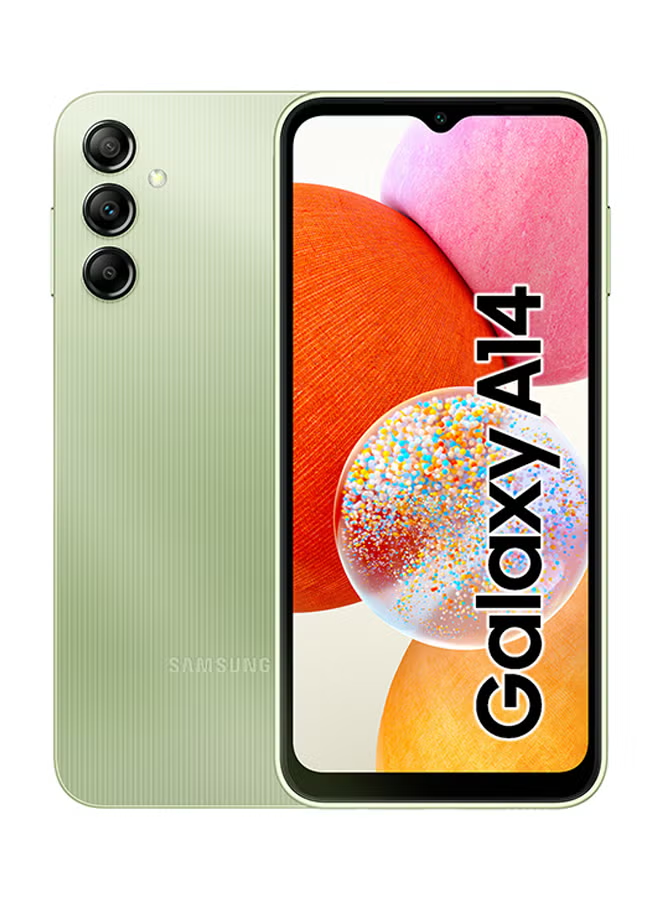
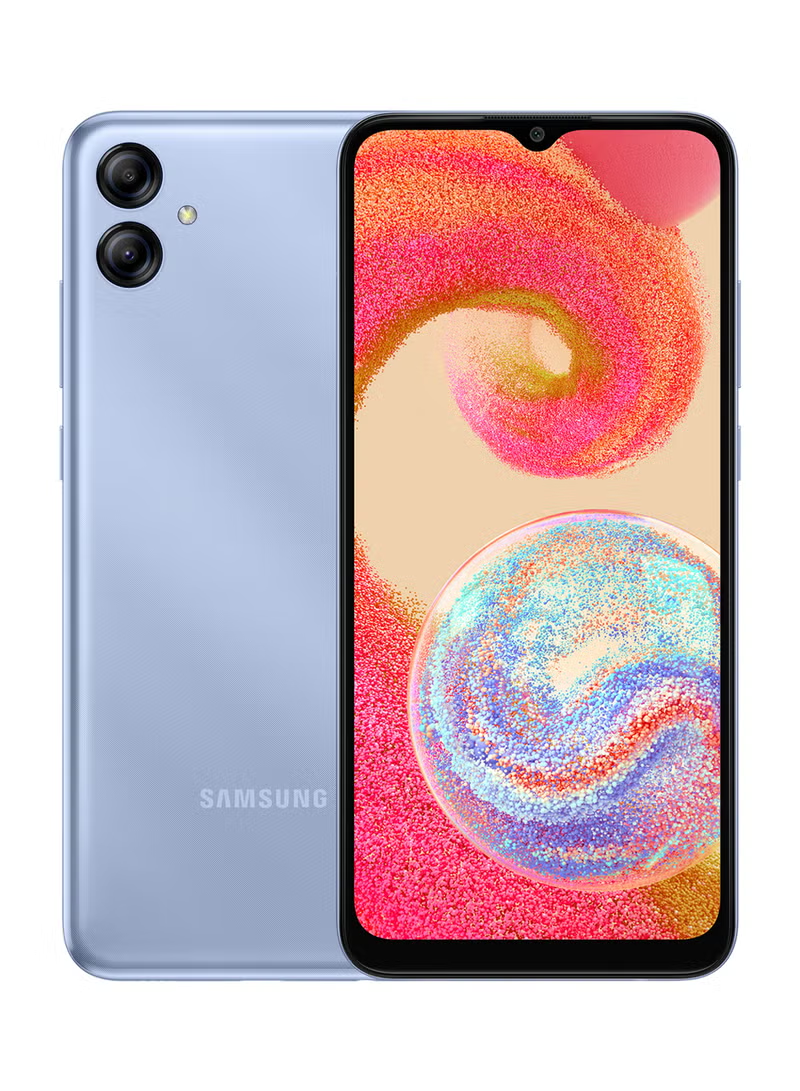
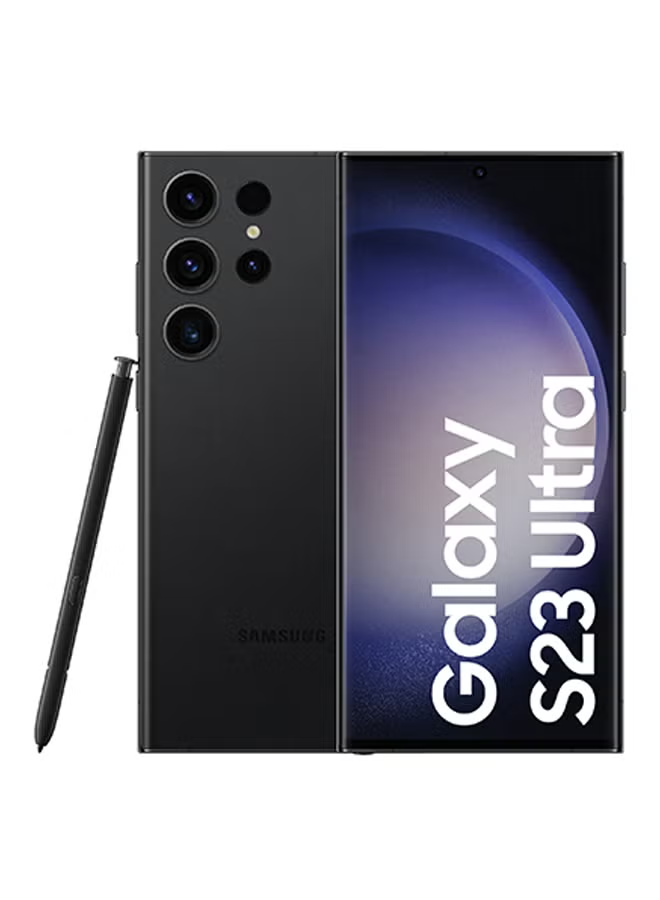
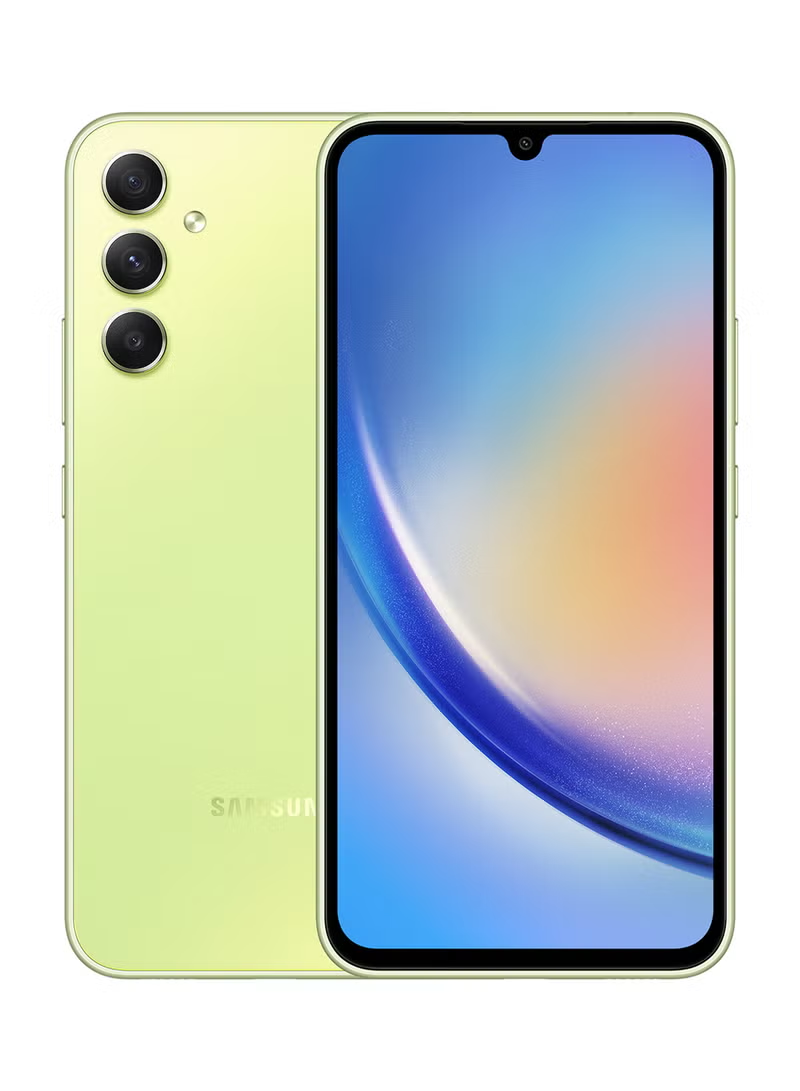
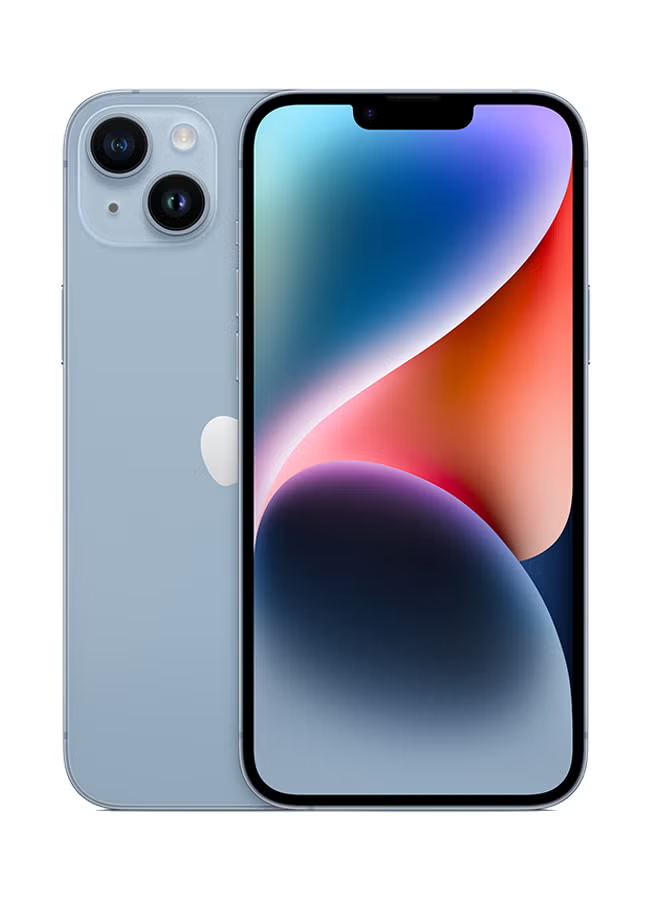
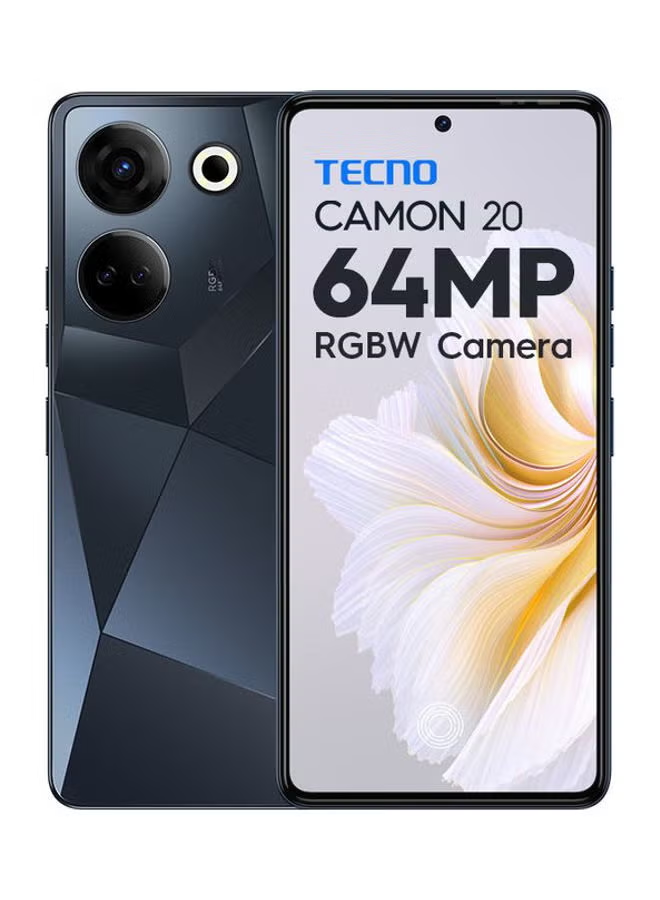
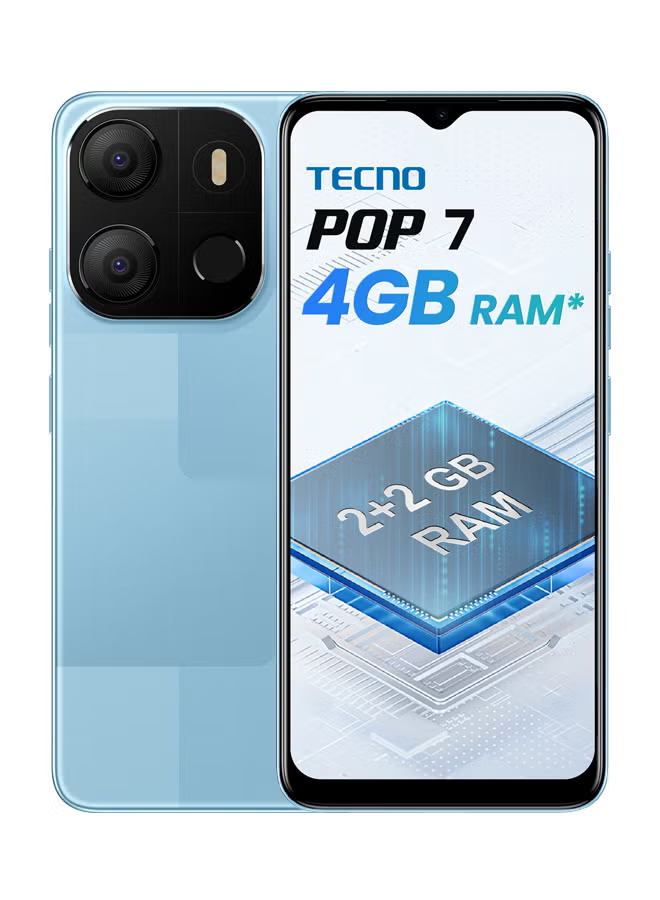
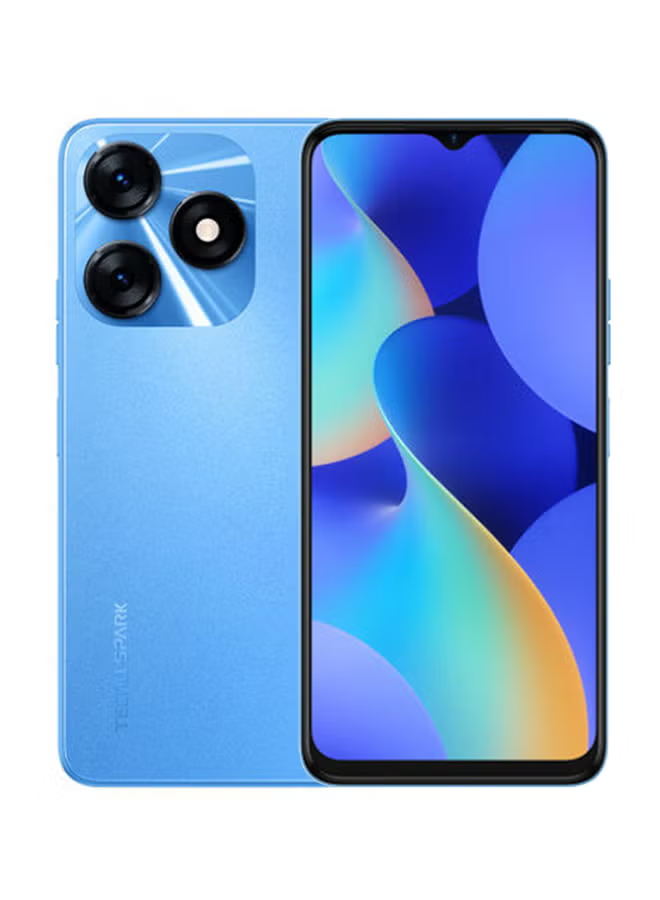
هاتف جالاكسي A53 ثنائي الشريحة بذاكرة رام 8 جيجابايت وذاكرة داخلية 256 جيجابايت ويدعم تقنية 5G بلون أسود أوسوم - إصدار الشرق الأوسط
توافر: {{ product.quantity }} جرد
SKU: {{ product.sku }}
{{ product.price_format }}
{{ product.origin_price_format }}
{{ variable.name }}
يتم استخدام الهاتف الذكي للتواصل عبر الرسائل الصوتية والبريد الإلكتروني وهو عملي
باستخدام الهاتف الذكي، يمكنك إرسال الرسائل ومشاركة الصور ووسائل التواصل الاجتماعي ورسائل البريد الإلكتروني ويمكنك الاتصال والتواصل مع الأشخاص
يمكن وضعه بسهولةٍ في جيبك، أو حقيبتك ويأتي بتصميمٍ خفيف الوزن
الحياة المليئة بالمشاغل تستحق بطارية مناسبة لبيئة العمل؛ سواء كنت تجري مكالمة فيديو أثناء التنقل، أو متابعة البرنامج المفضل أو تقضي وقتاً مع الأصدقاء والعائلة، فإن بطارية الشحن فائقة السرعة التي تدوم طويلاً هذه تدعمك في جميع الأوقات
أفضل ما في سلسلة جالاكسي A لمنحك بثاً مذهلاً لا يتقطع لمحتواك المفضل مع أقوى أداء في فئته وسرعات عالية للغاية لتحميل البرامج والأفلام كلها بسرعة 5G
A smartphone is a portable computer device that combines mobile telephone and computing functions into one unit. They are distinguished from feature phones by their stronger hardware capabilities and extensive mobile operating systems, which facilitate wider software, internet (including web browsing over mobile broadband), and multimedia functionality (including music, video, cameras, and gaming), alongside core phone functions such as voice calls and text messaging. Smartphones typically contain a number of metal–oxide–semiconductor (MOS) integrated circuit (IC) chips, include various sensors that can be leveraged by pre-included and third-party software (such as a magnetometer, proximity sensors, barometer, gyroscope, accelerometer and more), and support wireless communications protocols (such as Bluetooth, Wi-Fi, or satellite navigation).Early smartphones were marketed primarily towards the enterprise market, attempting to bridge the functionality of standalone personal digital assistant (PDA) devices with support for cellular telephony, but were limited by their bulky form, short battery life, slow analog cellular networks, and the immaturity of wireless data services. These issues were eventually resolved with the exponential scaling and miniaturization of MOS transistors down to sub-micron levels (Moore's law), the improved lithium-ion battery, faster digital mobile data networks (Edholm's law), and more mature software platforms that allowed mobile device ecosystems to develop independently of data providers.In the 2000s, NTT DoCoMo's i-mode platform, BlackBerry, Nokia's Symbian platform, and Windows Mobile began to gain market traction, with models often featuring QWERTY keyboards or resistive touchscreen input, and emphasizing access to push email and wireless internet. Following the rising popularity of the iPhone in the late 2000s, the majority of smartphones have featured thin, slate-like form factors, with large, capacitive screens with support for multi-touch gestures rather than physical keyboards, and offer the ability for users to download or purchase additional applications from a centralized store, and use cloud storage and synchronization, virtual assistants, as well as mobile payment services. Smartphones have largely replaced PDAs, handheld/palm-sized PCs, portable media players (PMP)and to a lesser extent, handheld video game consoles.
باستخدام الهاتف الذكي، يمكنك إرسال الرسائل ومشاركة الصور ووسائل التواصل الاجتماعي ورسائل البريد الإلكتروني ويمكنك الاتصال والتواصل مع الأشخاص
يمكن وضعه بسهولةٍ في جيبك، أو حقيبتك ويأتي بتصميمٍ خفيف الوزن
الحياة المليئة بالمشاغل تستحق بطارية مناسبة لبيئة العمل؛ سواء كنت تجري مكالمة فيديو أثناء التنقل، أو متابعة البرنامج المفضل أو تقضي وقتاً مع الأصدقاء والعائلة، فإن بطارية الشحن فائقة السرعة التي تدوم طويلاً هذه تدعمك في جميع الأوقات
أفضل ما في سلسلة جالاكسي A لمنحك بثاً مذهلاً لا يتقطع لمحتواك المفضل مع أقوى أداء في فئته وسرعات عالية للغاية لتحميل البرامج والأفلام كلها بسرعة 5G
A smartphone is a portable computer device that combines mobile telephone and computing functions into one unit. They are distinguished from feature phones by their stronger hardware capabilities and extensive mobile operating systems, which facilitate wider software, internet (including web browsing over mobile broadband), and multimedia functionality (including music, video, cameras, and gaming), alongside core phone functions such as voice calls and text messaging. Smartphones typically contain a number of metal–oxide–semiconductor (MOS) integrated circuit (IC) chips, include various sensors that can be leveraged by pre-included and third-party software (such as a magnetometer, proximity sensors, barometer, gyroscope, accelerometer and more), and support wireless communications protocols (such as Bluetooth, Wi-Fi, or satellite navigation).Early smartphones were marketed primarily towards the enterprise market, attempting to bridge the functionality of standalone personal digital assistant (PDA) devices with support for cellular telephony, but were limited by their bulky form, short battery life, slow analog cellular networks, and the immaturity of wireless data services. These issues were eventually resolved with the exponential scaling and miniaturization of MOS transistors down to sub-micron levels (Moore's law), the improved lithium-ion battery, faster digital mobile data networks (Edholm's law), and more mature software platforms that allowed mobile device ecosystems to develop independently of data providers.In the 2000s, NTT DoCoMo's i-mode platform, BlackBerry, Nokia's Symbian platform, and Windows Mobile began to gain market traction, with models often featuring QWERTY keyboards or resistive touchscreen input, and emphasizing access to push email and wireless internet. Following the rising popularity of the iPhone in the late 2000s, the majority of smartphones have featured thin, slate-like form factors, with large, capacitive screens with support for multi-touch gestures rather than physical keyboards, and offer the ability for users to download or purchase additional applications from a centralized store, and use cloud storage and synchronization, virtual assistants, as well as mobile payment services. Smartphones have largely replaced PDAs, handheld/palm-sized PCs, portable media players (PMP)and to a lesser extent, handheld video game consoles.
المواصفات
| رقم الموديل | SM-A536EZKHMEA |
|---|---|
| اسم اللون | أسود أوسوم |
| اسم الموديل | Galaxy A53 5G |
| وزن المنتج | 189 g |
| محتويات العلبة | Handset, Ejection Pin,Data Cable, Quick Start Guide |
| طول المنتج | 159.6 mm |
| ارتفاع المنتج | 159.6 mm |
| عرض/عمق المنتج | 8.1 mm |
| نوع الذاكرة القابلة للزيادة | بطاقة بطاقة MicroSD |
| نوع دقة تسجيل الفيديو | 1080 بيكسل |
| خصائص مقاومة المياه/الغبار | مقاوم للماء والغبار |
| دقة الكاميرا الثانوية | 32 MP |
| نوع الشحن | نوع C |
| نوع الشريحة | بطاقة SIM نانو |
| عدد شريحة Sim | مزدوج الشريحة |
| نظام التشغيل | أندرويد |
| دقة الكاميرا الثانوية | 32 ميجابكسل فأكثر |
| حجم ذاكرة الوصول العشوائي | 8 GB |
| الذاكرة الداخلية | 256 GB |
| الإصدار | نسخة الشرق الأوسط |
| حجم الشاشة | 6.4 in |
| دقة الكاميرا الأساسية | 64 MP |
| عدد أنظمة التشغيل | One UI 4.1 |
| رقم المعالج | 1280 |
| نطاق تردد الشبكة | GSM / LTE / UMTS |
| اسم المعالج | سامسونج إكسينوس |
| عدد النواة | ثماني النواة (Octa Core) |
| نوع الكاميرا | كاميرا الابتدائية + كاميرا ثانوية |
| ميزة الكاميرا الأساسية | ثلاثية |
| نوع البطارية | ليثيوم بوليمر |
| سنة الصنع | 2022 |
| شبكة جديدة | تقنية 5G |
| سنة الصنع | 2022 |
| الكاميرا الأساسية (MP) | 64+12+5+5 MP |
| نوع دقة العرض | Full HD |
| سرعة المعالج | 2.4 GHz |
| حجم البطارية | 5000 mAh |
| نوع العرض | شاشة AMOLED |
| شحن سريع. | Yes |
| تكنولوجيا الزجاج | زجاج الحماية جوريلا غلاس |
| فلاش | ضوء إل إي دي |
| الخارجي | بلاستيك |
| الحد الأقصى للذاكرة القابلة للزيادة | 0 GB |
| إصدار نظام التشغيل | أندرويد 12 |
| مقبس الصوت | نوع C |
| بيكسل في البوصة | 405PPi |
| معدلات التحديث | 90 هرتز |
| الحالة | جديد |
| دقة الشاشة | 1080x2400 |